
Introduction
Fashion trend is constantly evolving, influenced by lifestyle changes, culture, technology, and global movements. What people wear today is not just about appearance but also about comfort, identity, and responsibility. Understanding how trends develop helps individuals make better wardrobe choices and stay confident in every season.
In recent years, the fashion industry has shifted toward thoughtful design, long-lasting pieces, and practical styling. This shift becomes even more visible when we talk about upcoming styles for the future. The year 2025 represents a phase where creativity meets functionality, and personal style becomes more important than blindly following the crowd.
This detailed listicle is created to help readers understand modern clothing movements, emerging styles, and how everyday fashion is changing. From sustainability to comfort-focused designs, this guide explains everything in a simple yet professional way, making it useful for beginners as well as fashion-aware readers.
1. How Fashion Has Changed Over Time
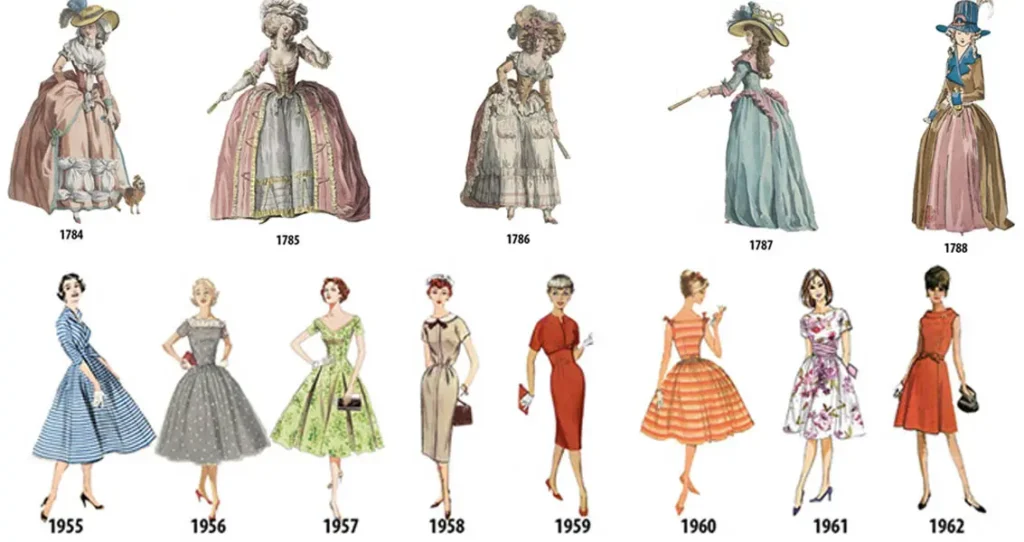
Earlier, clothing trends were controlled mainly by designers and fashion weeks. Ordinary people had very little influence. Today, the situation is completely different. Social media, street style, and digital platforms allow anyone to influence what becomes popular.
Another major change is accessibility. People now want styles that fit real life, not just runway looks. Comfort, affordability, and versatility matter more than ever. This change has shaped the current fashion trend into something more inclusive and practical.
Fashion today reflects society. When lifestyles change, clothing adapts. Remote work, travel culture, and health awareness have all influenced modern dressing habits.
2. Why 2025 Is a Turning Point for Fashion
The year 2025 stands out because it combines multiple movements into one direction. Sustainability, technology, comfort, and individuality are no longer separate ideas; they work together.
Consumers are more informed. They ask questions about fabric quality, ethical production, and durability. As a result, brands are focusing on meaningful design instead of fast-changing styles. This approach defines the fashion trend of the future.
Another reason 2025 is important is personalization. People no longer want to look the same. Custom fits, mix-and-match outfits, and unique styling choices are becoming common.
3. Sustainability as a Core Direction
Sustainability is no longer optional. It has become a foundation of modern clothing choices. Eco-friendly fabrics, reduced waste, and ethical labor practices are shaping the fashion trend in a strong way.
Instead of buying many low-quality items, people now prefer fewer but better pieces. This mindset encourages long-term use and responsible consumption. Natural dyes, recycled materials, and biodegradable fabrics are becoming mainstream.
This shift benefits not only the environment but also consumers, as sustainable clothing often lasts longer and feels better to wear.
4. Minimalism and Clean Styling
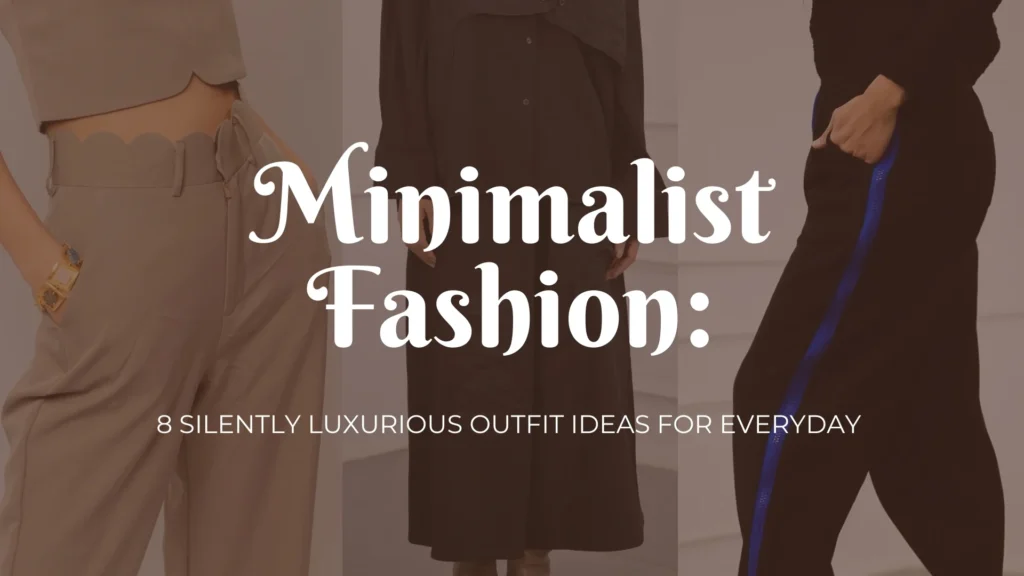
Minimalism continues to influence wardrobes around the world. Simple designs, neutral colors, and uncluttered outfits create a timeless look. This approach fits perfectly into daily life and professional settings.
Minimal styling allows flexibility. A single outfit can be worn in different ways depending on accessories and layering. This makes minimalism a smart and cost-effective fashion trend.
People who prefer clean looks often focus on fit and fabric quality rather than loud designs. This creates elegance without effort.
5. Bold Colors Making a Comeback
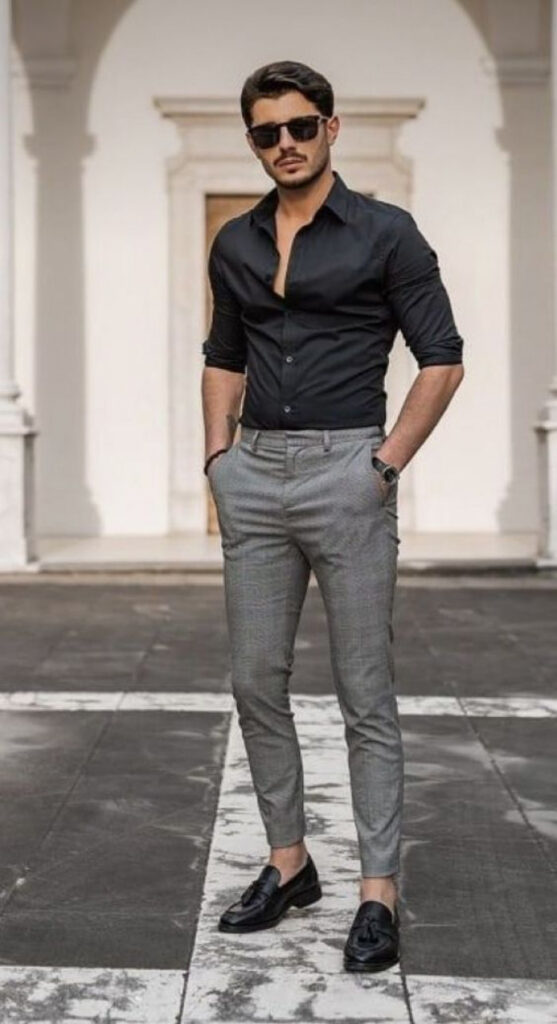
While minimal shades dominate basics, bold colors are returning as statement elements. Bright tones, creative combinations, and expressive outfits are gaining popularity.
This balance between simplicity and boldness defines modern style. Neutral outfits with one standout piece are especially common. This approach keeps outfits stylish without looking overwhelming.
Bold colors allow individuals to express mood and personality, making fashion more personal and expressive.
6. Comfort-Driven Clothing

Comfort is now one of the most important factors in clothing choices. Relaxed silhouettes, breathable fabrics, and flexible designs are shaping the fashion trend across all age groups.
People want clothes that look good and feel good at the same time. This has increased the popularity of loose fits, soft textures, and practical designs that work throughout the day.
Comfort-focused clothing does not mean boring. Designers are finding ways to combine ease with modern aesthetics.
7. Street Style Influence
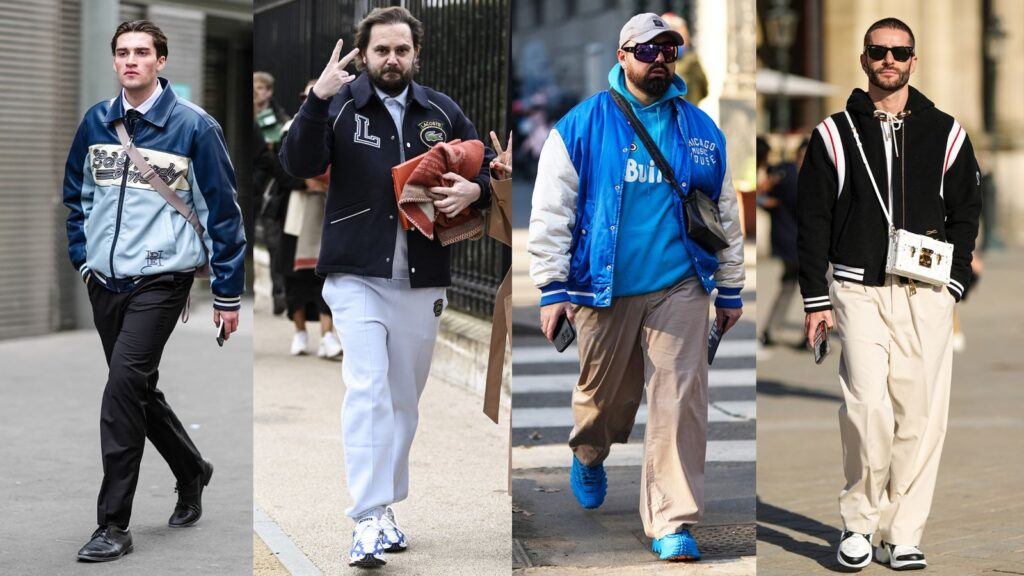
Street style has become one of the strongest influences in modern fashion. Real people, real outfits, and real-life situations inspire designers more than ever.
Casual layering, oversized fits, and mix of high and low fashion elements are common features. This movement has made fashion more relatable and wearable.
Street-inspired looks show how creativity can come from everyday life, not just luxury brands.
8. Gender-Neutral Clothing Movement
Traditional fashion rules are slowly fading. Clothing is becoming more inclusive, allowing people to choose styles based on comfort and preference rather than gender labels.
Loose silhouettes, neutral tones, and versatile designs support this movement. This direction reflects social change and personal freedom.
Gender-neutral styles make wardrobes more flexible and expressive, contributing to a more open fashion culture.
9. Vintage Inspiration in Modern Outfits
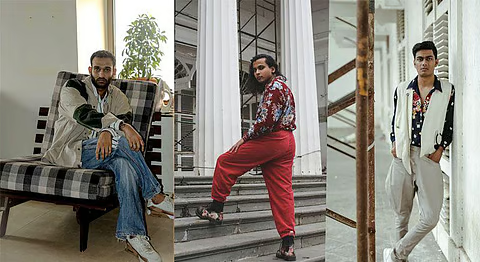
Old styles are finding new life in modern wardrobes. Vintage elements such as classic denim, retro prints, and timeless cuts are being redesigned for today.
This revival connects past and present, creating depth in styling. Vintage-inspired outfits often feel unique and personal.
Blending old and new adds character to everyday clothing and supports sustainable reuse ideas.
10. Role of Technology in Clothing
Technology is playing an increasing role in how clothes are made and worn. Advanced fabrics, wrinkle-resistant materials, and smart features are slowly becoming common.
These innovations improve comfort, durability, and performance. Technology-driven design supports modern lifestyles and changing needs.
This evolution shows how fashion adapts to both creativity and practicality.
11. Everyday Wear and Practical Styling
Everyday clothing has become more practical and versatile than ever before. People now prefer outfits that can be worn at work, casual outings, or social events with minimal changes. This shift has helped the fashion trend move closer to real life rather than unrealistic styling.
Simple shirts, relaxed trousers, comfortable dresses, and layered looks dominate daily wear. The goal is to look polished without feeling uncomfortable. This everyday approach is shaping how people understand the fashion trend in modern times.
12. Seasonal Flexibility in Clothing Choices
Seasonal fashion is no longer limited to strict rules. Many outfits are designed to work across different weather conditions. Layering, adaptable fabrics, and neutral base colors make styling easier.
This flexibility supports a smarter fashion trend, where clothing lasts longer and fits multiple seasons. Instead of buying separate wardrobes, people now invest in adaptable pieces that provide value throughout the year.
13. Accessories as Style Enhancers
Accessories play a major role in completing any outfit. Bags, belts, footwear, and eyewear can instantly change the overall look. Accessories allow experimentation without changing the entire outfit.
In today’s fashion trend, accessories are not optional; they are essential. A simple outfit can look stylish with the right additions, making accessories a powerful styling tool.
14. Cultural Influence on Modern Dressing
Global culture has a strong influence on modern clothing. Traditional patterns, handcrafted details, and regional styles are being blended with contemporary designs.
This cultural fusion adds depth to the fashion trend and creates unique styles that stand out. It also promotes appreciation for heritage and craftsmanship in a modern way.
15. Personal Style Over Blind Following
One of the most important changes is the focus on individuality. People no longer want to copy everything they see online. Instead, they choose what suits their personality and lifestyle.
This mindset has changed the fashion trend from mass imitation to personal expression. Confidence now matters more than labels or brand names.
16. Importance of Fit and Fabric
Good fit and quality fabric can elevate even the simplest outfit. People are becoming more aware of tailoring and material choices.
This awareness supports a refined fashion trend where comfort, durability, and appearance work together. Well-fitted clothes improve confidence and overall presentation.
17. Fashion for Different Age Groups
Style is no longer restricted by age. Clothing today is designed to be inclusive and adaptable for different life stages.
This inclusivity strengthens the fashion trend, proving that good style has no age limit. Everyone can dress well by choosing the right silhouettes and colors.
18. Common Fashion Mistakes to Avoid
Many people overdo trends without considering practicality. Wearing uncomfortable outfits, ignoring fit, or following styles that don’t match lifestyle can reduce confidence.
Understanding the fashion trend helps avoid such mistakes. Balance, comfort, and authenticity should always come first.
19. Building a Smart Wardrobe
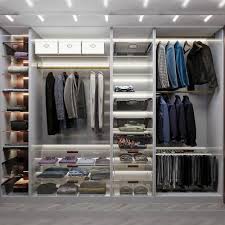
A smart wardrobe focuses on essentials, versatility, and quality. Neutral basics combined with a few statement pieces create endless outfit options.
This approach reflects a mature fashion trend that values long-term use over short-term excitement.
20. Future Outlook of Fashion
Looking ahead, clothing will continue to evolve with technology, sustainability, and personal choice. Trends will become more flexible and user-focused.
The future fashion trend will not be about rules but about freedom, responsibility, and self-expression.
Frequently Asked Questions (FAQs)
1. What does fashion trend mean?
A fashion trend refers to a popular style or clothing direction followed by many people during a certain period.
2. Why is understanding fashion trend important?
Understanding the fashion trend helps in making smart clothing choices and building confidence.
3. How often does fashion trend change?
A fashion trend can change yearly, seasonally, or even faster depending on social influence.
4. Is it necessary to follow every fashion trend?
No, following every fashion trend is not required. Personal comfort matters more.
5. Can beginners understand fashion trend easily?
Yes, with basic knowledge, anyone can understand a fashion trend and apply it simply.
6. Does fashion trend apply to daily wear?
Yes, modern fashion trend focuses heavily on everyday practicality.
7. Are trends expensive to follow?
Not always. A smart fashion trend approach focuses on quality, not quantity.
8. Can accessories define a fashion trend?
Yes, accessories often play a key role in shaping a fashion trend.
9. Is fashion trend influenced by culture?
Culture strongly influences any fashion trend worldwide.
10. Will fashion trend remain important in the future?
Yes, fashion trend will always evolve with society and lifestyle changes.
Conclusion
Fashion today is about balance, awareness, and self-expression. Instead of blindly following styles, people are learning to choose what truly suits them. This shift has transformed the fashion trend into something more meaningful and practical.
As we move forward, clothing will continue to reflect values such as comfort, sustainability, and individuality. Understanding the fashion trend helps people make confident choices without pressure.
The future of style belongs to those who dress with purpose and confidence. When fashion aligns with lifestyle, it becomes effortless and powerful. Embracing the right fashion trend is not about standing out—it is about feeling comfortable in your own skin.