
Introduction: Fashion in 2026 – Beyond Clothes
Fashion has always reflected society, culture, and personal identity. However, in 2026, the future of fashion is evolving beyond mere aesthetics. Modern consumers no longer settle for clothing that simply looks good—they demand style, functionality, technology, and sustainability all in one.
The fashion industry today is witnessing unprecedented transformation, integrating:
- Smart fabrics and wearable technology that monitor health and adjust to environments.
- Eco-luxury which combines high-fashion quality with sustainability.
- Digital wardrobes and virtual styling, reducing overproduction and encouraging mindful consumption.
At Aadiii Fashion, we explore the intricate interplay of these trends, providing a comprehensive guide for understanding how fashion will look, feel, and function in 2026.
1. The Evolution of Fashion: Past, Present, and Future
Fashion evolves alongside human needs and values. Understanding its trajectory helps forecast future trends.
1.1 Historical Perspective
- Past: Traditional handlooms, bespoke tailoring, and handcrafted luxury dominated fashion. Clothing was a reflection of status, culture, and artisanal craftsmanship. Materials were natural—cotton, silk, wool—and sustainability was intrinsic due to resource limitations.
- Present: Fast fashion transformed clothing into mass-produced, trend-driven, disposable commodities. While affordability increased, environmental impact skyrocketed. Pollution, textile waste, and unethical labor became major concerns.
- Future: The future of fashion prioritizes technology, sustainability, personalization, and longevity. Smart clothing, eco-luxury, and digital innovation redefine style.
1.2 Key Drivers Shaping the Future of Fashion
- Consumer Awareness: Shoppers are now conscious of the environmental and social impact of their clothing choices. Brands must provide transparency in sourcing and production.
- Technological Innovation: Wearable tech, AI-driven design, 3D printing, and blockchain are transforming how garments are produced and experienced.
- Sustainability Movement: Circular fashion, slow fashion, and eco-luxury are replacing disposable trends. Consumers are seeking timeless, ethical pieces.
- Cultural Shifts: Inclusivity, gender-neutral clothing, and global-local fusion designs are defining modern style.
2. Smart Clothing: The Intersection of Fashion and Technology
One of the most significant pillars of the future of fashion is smart clothing—garments that do more“Eco-friendly fabrics are essential for reducing environmental impact (Fashion Revolution).”
than just cover the body. They monitor health, adapt to environmental conditions, and enhance lifestyle.
2.1 Understanding Smart Clothing
Smart clothing integrates:
- Sensors to track heart rate, temperature, or posture
- Adaptive fabrics that adjust to weather conditions
- Connectivity features to sync with apps and wearable devices
Examples include:
- Jackets that regulate temperature depending on outside weather
- Shirts that monitor vitals during workouts
- Dresses with LED panels for events or virtual interactions
2.2 Wearable Tech Fashion Trends
Smart accessories complement smart clothing:
- AR Glasses: Virtual styling experiences, try-on previews
- IoT-Enabled Sneakers: Step counting, posture correction, and fitness tracking
- Solar-Powered Bags & Jackets: Charging phones while on the move
Benefits of Smart Fashion:
- Health & Wellness Monitoring: Continuous tracking of vitals without extra devices.
- Personalization: Clothes can adjust colors, patterns, or functions based on individual preference.
- Sustainability: Reduces the need for multiple garments by providing multifunctional clothing.
- Enhanced Lifestyle: Combines fashion with convenience and efficiency.
3. Eco-Luxury: Sustainable High-Fashion
Eco-luxury represents a fusion of premium fashion and environmental responsibility. In 2026, conscious consumers are willing to invest in high-quality, sustainable, and ethically produced garments.
3.1 What is Eco-Luxury?
Eco-luxury garments are:
- Crafted from organic or recycled materials
- Produced under ethical labor conditions
- Designed for long-term use, reducing environmental impact
3.2 Leading Materials in Eco-Luxury
- Organic Silk: Soft, sustainable, luxurious
- Recycled Leather Alternatives: Vegan and high-quality substitutes
- TENCEL™ Lyocell: Biodegradable, low-water-use fabric
- Hemp Blends: Durable, eco-friendly, and stylish
3.3 Benefits of Eco-Luxury
- Environmental Protection: Minimizes pollution and carbon footprint
- Ethical Labor Support: Ensures fair wages and safe working conditions
- Timeless Fashion: Focuses on long-lasting quality over fleeting trends
4. Capsule Wardrobes and Digital Wardrobes
A key trend in the future of fashion is wardrobe optimization, combining minimalism and technology.
4.1 Capsule Wardrobes
- A capsule wardrobe consists of versatile, timeless clothing pieces that can be mixed and matched.
- Benefits: Less clutter, reduced consumption, and more sustainable living.
4.2 Digital Wardrobes
- Virtual closets track clothing usage, suggest outfits, and even integrate with virtual reality (VR) try-on tools.
- Reduces unnecessary purchases and encourages smarter fashion choices.
4.3 Consumer Benefits
- Saves Time: Outfit planning is streamlined
- Reduces Waste: Avoids unnecessary purchases
- Personalized Style: Digital tools provide recommendations based on preferences
5. Global Fashion Trends in 2026
The future of fashion in 2026 is shaped by a combination of technology, sustainability, and cultural shifts. Around the globe, designers and consumers are embracing:
5.1 Smart Fabrics and Adaptive Clothing
- Temperature-Adaptive Fabrics: Jackets and activewear that adjust warmth according to weather.
- Moisture-Responsive Textiles: Fabrics that wick away sweat and regulate humidity automatically.
- Anti-Bacterial and UV-Protective Clothing: Reduces skin damage and enhances health.
- Biodegradable Smart Textiles: Reduces environmental impact while maintaining performance.
5.2 Sustainable Practices
- On-Demand Production: Garments produced only when ordered, reducing overproduction and inventory waste.
- Circular Fashion: Encouraging resale, upcycling, and repair of garments instead of disposal.
- Local Manufacturing: Reduces carbon footprint while supporting local artisans and economies.
5.3 Inclusivity and Gender-Neutral Fashion
- Unisex Collections: Breaking traditional gender norms in fashion design.
- Size Inclusivity: Offering garments for a wide range of body types.
- Adaptive Clothing: Fashion designed for individuals with disabilities, combining comfort, style, and accessibility.
5.4 Cultural Fusion in Fashion
- Designers are blending traditional cultural motifs with modern design principles.
- Collaborations between artisans and high-fashion brands are preserving heritage while creating contemporary appeal.
- Example: Handwoven Indian fabrics used in European-style dresses or jackets.
6. Smart Accessories and Wearable Tech
Smart fashion isn’t limited to clothing. Accessories play a huge role in the future of fashion:
6.1 AR Glasses and Virtual Styling
- Virtual try-ons for clothing
- Interactive fashion shows
- Real-time outfit recommendations
6.2 IoT-Enabled Footwear
- Sneakers that track steps, posture, and activity
- Personalized recommendations for fitness improvement
6.3 Solar-Powered Bags and Jackets
- Charge devices while on the go
- Reduces dependency on separate tech devices
- Enhances convenience and style
7. Industry Innovations
The fashion industry in 2026 is heavily reliant on technology and sustainable methods.
7.1 3D Printing in Fashion
- Custom Garments: Personalized fit and design
- Rapid Prototyping: Speeds up sample creation
- Waste Reduction: Uses only required material, minimizing fabric wastage
7.2 AI Design Assistants
- Predicts upcoming trends based on global data
- Suggests design modifications
- Optimizes supply chain to prevent overproduction
7.3 Virtual Reality (VR) Fashion Shows
- Reduces carbon footprint of physical events
- Expands audience reach globally
- Creates immersive brand experiences
8. Fabrics, Materials & Clothing Care
Sustainable and innovative materials are central to the future of fashion.
8.1 High-Tech Fabrics
- Organic Cotton: Low environmental impact, soft, breathable
- Bamboo Fiber: Biodegradable and moisture-wicking
- Recycled Polyester: Eco-friendly and durable
- TENCEL™ Lyocell & Hemp Blends: Luxurious yet sustainable
8.2 Garment Care Tips
Proper care extends garment life:
- Wash in cold water to reduce energy consumption
- Air-dry instead of machine drying
- Repair minor damages instead of replacing
- Store properly to avoid wear and tear
8.3 Circular Fashion
- Buy-Back Programs: Brands reclaim old garments for recycling
- Upcycling: Transforming old clothes into new designs
- Second-Hand Fashion: Thrift and resale markets are booming Future of fashion
9. Fashion in India: Emerging Trends 2026
India is rapidly adopting global trends while preserving traditional aesthetics:
- Eco-Conscious Designers: Focus on organic fabrics, ethical production, and minimal waste
- Smart Textiles in Traditional Garments: Sarees and kurtas with temperature-regulating fabrics
- Digital Fashion Platforms: Apps and online tools to manage wardrobes, plan outfits, and virtually try-on clothes
- Artisan Collaborations: Handloom weavers working with modern brands for limited edition eco-luxury collections Future of fashion
10. Consumer Tips: Building a Future-Ready Wardrobe
10.1 Smart Clothing Integration
- Start with 1-2 wearable tech pieces: smart jacket, shoes, or fitness shirt
- Gradually replace regular items with adaptive clothing Future of fashion
10.2 Eco-Luxury Investment
- Buy timeless pieces made from organic or recycled fabrics
- Prioritize ethical brands over trend-driven fast fashion
10.3 Capsule Wardrobe Principles
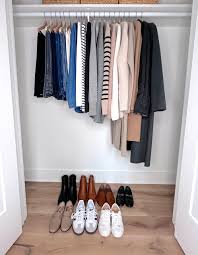
- Focus on versatility: neutral tones, mix-and-match essentials
- Limit unnecessary purchases to 5-7 items per season Future of fashion
10.4 Digital Wardrobe Utilization

- Track outfit usage and plan ahead
- Virtual styling apps suggest new combinations without buying extra clothing
- Reduces overconsumption and enhances creativity Future of fashion
11. Step-by-Step Wardrobe Planning for 2026
Building a future-ready wardrobe is about intelligence, sustainability, and style.
11.1 Assess Your Current Wardrobe
- Take inventory of every item:
- Note wear frequency
- Identify outdated or damaged pieces
- Separate essentials from trend-driven items
11.2 Integrate Smart Clothing
- Begin with 1-2 wearable tech items: smart jacket, fitness shirts, or temperature-regulating fabrics
- Gradually increase smart clothing as technology becomes more mainstream
- Focus on versatility: items should serve multiple functions
11.3 Adopt Eco-Luxury Principles
- Invest in premium, sustainable fabrics: organic cotton, hemp blends, recycled polyester
- Prioritize brands with transparent production and ethical labor practices
- Choose timeless designs rather than disposable fast-fashion trends
11.4 Digital Wardrobe & Capsule Principles
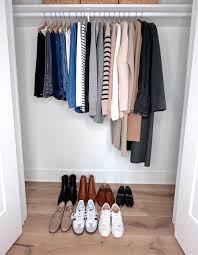
- Use apps to track outfits, plan combinations, and optimize wear frequency
- Limit the wardrobe to versatile, essential pieces that can mix-and-match
- Include 5-10 statement items for events and fashion expression
12. Case Studies: Global Leaders in Future Fashion
12.1 Stella McCartney – Eco-Luxury Pioneer
- Uses sustainable materials and innovative design
- Implements closed-loop production to reduce waste
- Combines luxury aesthetics with eco-conscious practices
12.2 Adidas x Parley – Recycled Innovation
- Produces sneakers made from ocean plastic waste
- Integrates performance tech with sustainability
- Educates consumers on environmental impact
12.3 Levi’s – Smart Denim
- Developed jackets with wearable tech integration
- Monitors fitness and environment
- Promotes recycling programs for old denim
12.4 Indian Eco-Luxury Brands
- Nicobar: Combines handloom fabrics with modern silhouettes
- Fabindia: Sustainable production, local artisan support
- Focus on timeless, eco-friendly pieces Future of fashion
13. Extended FAQs
Q1: What makes clothing “smart”?
A1: Smart clothing integrates sensors, adaptive fabrics, and connectivity to enhance function and lifestyle.
Q2: Is smart clothing durable?
A2: Modern smart fabrics are designed for long-term use, combining durability with technology.
Q3: How can I start with eco-luxury?
A3: Begin with 1-2 premium sustainable pieces, gradually replacing fast fashion items.
Q4: Are digital wardrobes effective?
A4: Yes, they reduce over-purchasing, optimize outfit planning, and track usage.
Q5: How to care for smart and sustainable clothing?
A5: Wash in cold water, air dry, repair damages, and store carefully to extend life.
Q6: Can wearable tech replace accessories?
A6: Smart accessories like AR glasses, IoT shoes, and solar-powered bags enhance style and functionality.
14. Future Predictions for Fashion 2026
- Virtual Fashion Shows Become Mainstream: Reduces environmental impact, expands reach globally
- AI-Driven Personalized Style: AI assistants suggest outfits based on preferences, weather, and trends Future of fashion
- Circular Fashion Dominates: Resale, recycling, and upcycling will define consumer habits
- Integration of AR/VR in Retail: Immersive try-on experiences, interactive shopping
- Eco-Luxury Goes Mass-Market: Affordable, sustainable luxury options expand to mainstream consumers Future of fashion
15. Final Thoughts: The Future of Fashion is Here
The future of fashion in 2026 is a perfect balance of innovation, sustainability, and personal style. Consumers now have the power to make conscious choices that benefit both the planet and their wardrobe.
At Aadiii Fashion, embracing smart clothing, eco-luxury, capsule wardrobes, and digital styling allows you to stay trendy, ethical, and future-ready. Fashion is no longer just clothing—it is technology, sustainability, and personal expression combined.
Key Takeaways:
- Invest in smart and eco-luxury clothing for long-term style and sustainability
- Adopt capsule and digital wardrobe systems to reduce waste and optimize outfits
- Support ethical and transparent brands
- Explore wearable tech and innovative fabrics to enhance both style and functionality Future of fashion