
Introduction
Fashion is never created in isolation. It is deeply influenced by climate, culture, and geography. The clothes people wear, the fabrics they choose, and the styles they follow are all shaped by their environment and social context.
For example, in cold climates, people favor layered, insulated clothing, whereas tropical regions prefer lightweight, breathable fabrics. Cultural norms dictate modesty, symbolism, and aesthetic preferences, while geography influences material availability, trade, and traditional craftsmanship.
In this blog, we explore how climate, culture, and geography shape fashion choices, supported by examples, case studies, and insights that are crucial for designers, retailers, and fashion enthusiasts to understand the global context of clothing.
1. Climate and Its Direct Influence on Fashion
Climate is a primary factor determining clothing choices. Temperature, humidity, rainfall, and sunlight affect the type of clothing people adopt.
1.1 Cold Climates

- Heavy layers, wool, fur, and thermal fabrics
- Muted colors like black, grey, and dark tones absorb heat
- Footwear is insulated and sturdy
Example: In Scandinavia, traditional Norwegian sweaters are thick, knitted from wool to endure sub-zero temperatures.
1.2 Hot Climates

- Breathable fabrics like cotton, linen, and bamboo
- Loose-fitting garments allow air circulation
- Light colors reflect sunlight
Example: In India and parts of Africa, loose cotton garments in bright colors are common for comfort in high temperatures.
1.3 Humid Climates
- Moisture-wicking and quick-dry fabrics
- Minimal layers to prevent discomfort
Example: Southeast Asian regions prefer light, airy clothing to cope with monsoon seasons and high humidity.
2. Geography and Material Availability
Geography determines which fabrics and materials are accessible, shaping fashion over time.
2.1 Natural Resources
- Wool from sheep-rich regions
- Silk from mulberry-growing areas
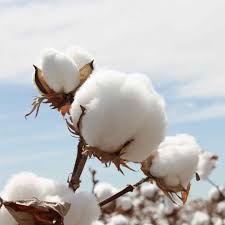
- Cotton from arid plains
Example: China’s silk production shaped traditional clothing like the cheongsam. In Peru, alpaca wool has defined winter fashion for centuries.
2.2 Trade and Cultural Exchange
Regions with trade access adopt foreign fabrics and styles.
- The Silk Road spread silk and patterns across continents
- Maritime trade introduced dyes, cotton, and jewelry globally
2.3 Topography and Lifestyle
- Mountainous regions → layered, durable clothing
- Coastal regions → breathable, flexible clothing
3. Culture and Traditional Clothing
Culture dictates what is worn, how it is worn, and the social meaning behind clothing.
3.1 Religion and Modesty
- Islamic regions: Abayas, hijabs
- Hindu culture: Sarees and dhotis with specific draping
- Christian traditions: Modest dresses for rituals
3.2 Ceremonial and Festival Clothing
- Japan: Kimono for ceremonies
- Africa: Kente cloth for celebrations
- Latin America: Embroidered, vibrant garments
3.3 Gender and Social Roles
- Clothing often reflects marital status, profession, or social rank
- Cultural norms dictate differences in men’s and women’s attire
4. Adaptation of Fashion to Climate & Culture
Fashion evolves to balance comfort, cultural identity, and aesthetics.
4.1 Functional Adaptation
- Jackets in cold regions with hoods and gloves
- Light wraps in hot climates for sun protection
4.2 Aesthetic Adaptation
- Bright colors in tropical regions reflect sunlight and culture
- Patterns and embroidery signify cultural storytelling
4.3 Modern Blending
- Traditional fabrics combined with modern cuts
- Urban fashion merges global trends with local needs
5. Case Studies: Regional Fashion Influences
5.1 Scandinavia: Cold, Minimalist, and Functional
- Wool, layers, muted colors
- Utility and durability prioritized
5.2 India: Hot, Diverse, and Cultural
- Cotton, bright colors, embroidery
- Regional climate + festival culture drives design
5.3 Japan: Humid, Modest, and Ceremonial
- Light fabrics, kimono culture
- Seasonal adaptations: yukata in summer, layered kimono in winter
5.4 Middle East: Hot, Conservative, and Symbolic
- Loose garments for air circulation
- Abayas and thobes for modesty
- Cultural symbolism embedded in design
6. How Fashion Designers Consider Climate & Culture
Modern designers analyze:
- Climate data → fabric selection
- Cultural preferences → cuts, colors, modesty
- Geography → material access
Example: Global brands launch region-specific collections like lightweight cotton in India or heavy coats in Russia.
7. Technological Influence on Climate-Based Fashion
- Smart fabrics: moisture-wicking, UV-protection, thermal insulation
- Sustainable fabrics adapted to local climates
- 3D printing allows local adaptation without large-scale production
8. Sustainable Fashion and Regional Considerations
- Local materials reduce carbon footprint
- Climate-conscious clothing reduces wastage
- Traditional garments often inherently sustainable
9. Modern Adaptation of Traditional Fashion
While climate, culture, and geography have historically dictated fashion, modern designers are blending tradition with contemporary trends to create functional yet stylish garments.
9.1 Traditional Fabrics with Modern Cuts
- Example: Indian handloom cotton sarees redesigned as fusion dresses for urban wear.
- Japanese kimono fabrics are now used in modern jackets and gowns.
- African Ankara prints appear in streetwear and high fashion collections globally.
This adaptation preserves cultural identity while meeting practical and aesthetic needs of modern lifestyles.
9.2 Climate-Responsive Urban Fashion
- Lightweight fabrics in tropical megacities like Mumbai or Jakarta.
- Layered, insulated clothing in urban Europe or North America.
- Footwear adapted for urban terrain: breathable sneakers for hot climates, insulated boots for snowy cities.
Modern fashion blends comfort, local climate, and style, proving that functionality need not compromise aesthetics.
10. Globalization and Fashion Trends
Globalization has made fashion transcend geographic boundaries, but climate and culture still matter.
10.1 Influence of International Brands
- Brands like Zara, H&M, and Uniqlo launch region-specific collections.
- Example: Uniqlo’s HeatTech line caters to cold climates, while AIRism line suits tropical climates.
10.2 Cultural Appreciation vs. Appropriation
- Fashion now borrows patterns, colors, and fabrics from diverse cultures.
- Designers must balance creative adaptation with respect for cultural symbolism.
10.3 Digital Influence
- Social media amplifies cross-cultural fashion trends.
- Climate-appropriate adaptations are often shared globally via Instagram, TikTok, and Pinterest.
11. Psychological Impact of Climate & Culture on Fashion Choices
Clothing is more than protection; it affects mood, confidence, and identity.
11.1 Clothing and Self-Perception
- Comfortable, climate-appropriate clothing reduces stress.
- Cultural garments increase social belonging and pride.
11.2 Fashion as Cultural Expression
- Traditional attire connects wearers to their roots, enhancing mental well-being.
- Example: Wearing a Japanese kimono during festivals fosters cultural pride and confidence.
11.3 Color Psychology Across Cultures
- Red signifies celebration in India and China.
- Black is formal in Western cultures but may indicate mourning elsewhere.
- Designers integrate cultural color symbolism into fashion for better emotional resonance.
12. Regional Innovations in Fashion
12.1 Cold Climate Innovations
- Heated jackets and smart thermal layers in Nordic countries.
- Wool blended with synthetic fibers for warmth and flexibility.
12.2 Hot Climate Innovations
- Breathable, UV-protective fabrics in tropical regions.
- Minimalist designs for airflow and comfort.
12.3 Humid Climate Innovations
- Quick-dry fabrics for Southeast Asia.
- Lightweight, antibacterial, and odor-resistant textiles.
13. Fashion, Geography, and Economic Factors
Geography also affects economic access to materials and styles:
- Urban vs rural availability of fabrics
- Import/export restrictions shaping regional fashion
- Artisan-based economies (like Peruvian alpaca wool or Indian handloom cotton)
Fashion is both a cultural statement and an economic ecosystem influenced by geography.
14. Sustainability and Localized Fashion
Climate-conscious fashion is increasingly tied to sustainability:
- Using local fabrics reduces transport emissions.
- Traditional garments are often eco-friendly, biodegradable, and low-waste.
- Example: African mudcloth, Indian khadi, or Andean alpaca textiles.
15. Case Studies: Modern Fashion Across Climates
15.1 Scandinavia
- Minimalist, functional clothing adapted for snow and cold.
- Designers incorporate sustainable wool blends and smart layers.
15.2 India
- Lightweight cotton, breathable weaves, bright prints.
- Urban designers merge handloom traditions with modern cuts.
15.3 Japan
- Seasonal adaptations: Yukata for summer, layered kimono for winter.
- Modern fashion uses traditional fabrics for casual urban wear.
15.4 Middle East
- Loose-fitting garments for heat and sun protection.
- Designers modernize abayas and thobes with lighter fabrics and contemporary cuts.
16. Tips for Consumers: Choosing Climate & Culture-Friendly Fashion
- Know your climate: Choose fabrics suited for temperature and humidity.
- Respect culture: Be aware of symbolism, modesty, and traditional practices.
- Blend modern with traditional: Incorporate local prints or fabrics into everyday wear.
- Sustainability matters: Opt for local, eco-friendly fabrics when possible.
- Function first: Comfort drives confidence, regardless of trend.
17. Conclusion
Fashion is not just about trends or aesthetics; it is a reflection of climate, culture, and geography. Clothing serves multiple roles: protection, identity, social signaling, and self-expression.
Understanding the influence of environment and society allows designers, consumers, and retailers to make informed choices that are both practical and culturally respectful. Modern fashion bridges tradition and innovation, ensuring that clothes are functional, stylish, and meaningful.
By recognizing these factors, we realize that what we wear is a direct outcome of where we live, who we are, and the culture we belong to. Fashion becomes a story of people and place, stitched together across generations and geographies.
18. FAQs
Q1: How does climate influence fashion choices?
A: Temperature, humidity, and seasonal changes determine fabric type, layering, and style for comfort and protection.
Q2: Why is culture important in fashion?
A: Culture shapes modesty, symbolism, color use, and ceremonial attire, reflecting social identity.
Q3: Can traditional clothing be adapted for modern use?
A: Yes, designers combine traditional fabrics and patterns with contemporary cuts to create functional modern garments.
Q4: How does geography affect material availability?
A: Regions with specific natural resources (like wool, silk, or cotton) influence the traditional clothing and textile industry.
Q5: Does globalization affect climate-appropriate fashion?
A: Global trends exist, but practical adaptation to local climates remains essential for comfort and wearability.