
Introduction: The Era of Responsible Fashion in 2025
Fashion has always been a reflection of society, culture, and personal identity. In 2025, however, it has evolved beyond aesthetics to include ethics, responsibility, and sustainability. The fast fashion model, once celebrated for affordability and trend-driven designs, is now under scrutiny due to its massive environmental impact, exploitation of labor, and contribution to global waste.
Consumers are increasingly aware of the consequences of their purchasing decisions. They want transparency from brands and want to invest in clothing that is ethical, long-lasting, and eco-friendly. This shift has paved the way for sustainable fashion—a movement that is not just a trend, but a necessary evolution for the industry.
At Aadiii Fashion, we aim to provide a comprehensive understanding of sustainable fashion. This guide covers everything from the basics of ethical clothing to advanced tips for building a fully sustainable wardrobe in 2025 and beyond.
What Is Sustainable Fashion?
Sustainable fashion refers to garments and accessories designed, produced, and consumed in ways that minimize environmental impact and promote social responsibility. It encompasses ethical labor practices, eco-friendly materials, and a focus on longevity rather than disposability.
Unlike fast fashion, which prioritizes rapid production and short-term trends, sustainable fashion emphasizes:
- Quality over quantity
- Timeless designs
- Eco-conscious production
- Transparency and traceability
The Three Pillars of Sustainable Fashion
- Environmental Responsibility: Reducing waste, water usage, and carbon footprint throughout the production process.
- Social Responsibility: Ensuring fair wages, safe working conditions, and ethical treatment of workers.
- Economic Sustainability: Investing in high-quality, long-lasting clothing to reduce the cycle of constant buying and disposal.
The Environmental Impact of Fashion
The fashion industry is one of the top contributors to global pollution. Some alarming facts include:
- Textile production consumes over 93 billion cubic meters of water annually.
- Approximately 20% of global wastewater comes from textile dyeing and finishing.
- Fashion is responsible for 10% of global carbon emissions, more than international flights and maritime shipping combined.
- Around 92 million tons of textile waste are generated yearly, with only a fraction recycled.
Sustainable fashion aims to mitigate these effects by using eco-friendly fabrics, adopting energy-efficient production methods, and promoting conscious consumption.
Fast Fashion vs Sustainable Fashion
| Feature | Fast Fashion | Sustainable Fashion |
|---|---|---|
| Price | Low, affordable | Medium to high (value-focused) |
| Lifespan | Short-term | Long-lasting |
| Material | Synthetic, cheap | Organic, recycled, natural |
| Production | Mass, quick | Small-batch, ethical |
| Waste | High | Minimal |
| Labor | Often exploitative | Ethical and fair |
Fast fashion encourages overconsumption, while sustainable fashion focuses on mindful purchasing and reducing environmental footprint.
Why Sustainable Fashion Matters in 2025
- Climate Change Awareness: Consumers are aware of the environmental consequences of mass production.
- Ethical Consumerism: Shoppers want fair labor practices and transparency.
- Regulatory Pressure: Governments are imposing stricter environmental laws.
- Long-Term Value: High-quality sustainable garments save money over time.
Sustainable fashion aligns with modern consumer values, combining ethics, style, and longevity.
Sustainable Fabrics You Should Know
Choosing eco-friendly fabrics is central to sustainable fashion. Popular materials in 2025 include:
1. Organic Cotton
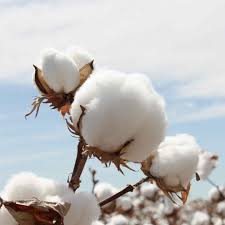
- Grown without synthetic fertilizers and pesticides.
- Reduces water and soil pollution.
- Soft, durable, and skin-friendly.
2. Recycled Polyester
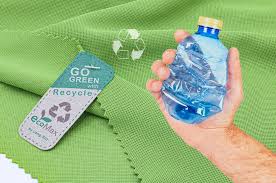
- Made from post-consumer plastic waste.
- Conserves energy and reduces landfill waste.
- Suitable for sportswear and outerwear.
3. Linen
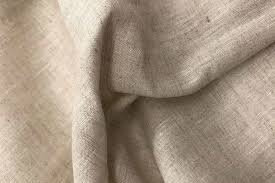
- Derived from flax plants.
- Requires minimal water and chemicals.
- Lightweight and breathable, ideal for summer fashion.
4. Hemp Fabric
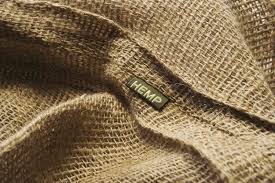
- Fast-growing and low-maintenance.
- Improves soil health.
- Strong, biodegradable, and eco-friendly.
5. TENCEL™ (Lyocell)
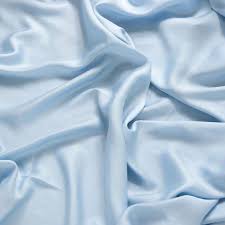
- Produced from sustainably sourced wood pulp.
- Soft, luxurious, and fully biodegradable.
- Uses a closed-loop process to minimize chemical waste.
Sustainable Fashion Trends in 2025
Capsule Wardrobes

A capsule wardrobe is a collection of essential clothing pieces that are versatile and timeless. It reduces waste by minimizing over-purchasing.
Gender-Neutral Fashion

Unisex designs focus on inclusivity, comfort, and versatility, eliminating the need for separate male/female production lines.
Thrift and Vintage Fashion
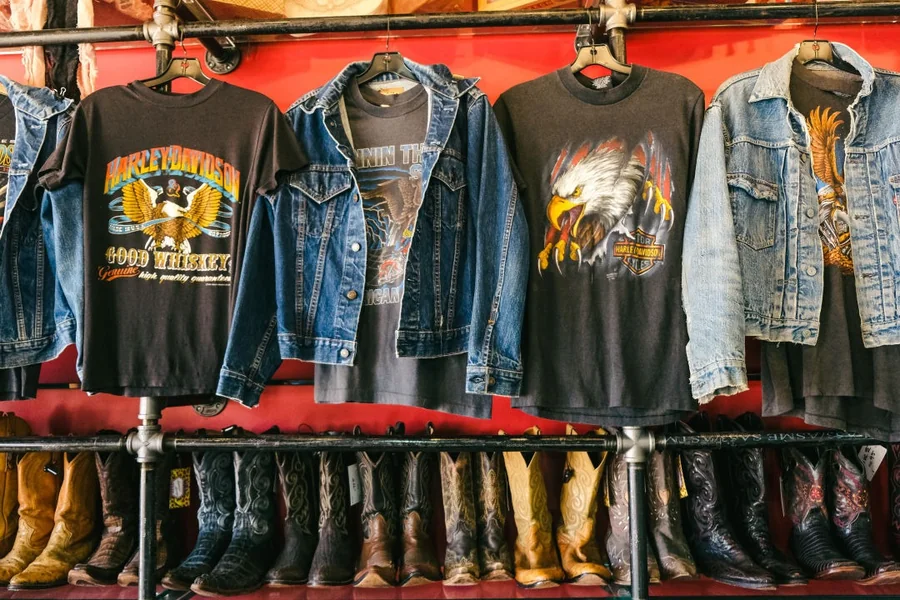
Second-hand clothing is now mainstream, giving garments a second life and reducing waste.
Local and Handcrafted Brands
Supporting local artisans reduces carbon footprints and preserves cultural heritage.
Digital Fashion and On-Demand Production
Brands are using 3D sampling and on-demand manufacturing to minimize waste and overproduction.
Building a Sustainable Wardrobe
Step 1: Buy Less, Choose Better
Invest in versatile, high-quality clothing that can be mixed and matched.
Step 2: Prioritize Quality
Durable fabrics and well-constructed garments reduce the need for frequent replacement.
Step 3: Support Ethical Brands
Choose brands with transparent sourcing, ethical labor, and eco-friendly materials.
Step 4: Care for Your Clothes
Proper washing, air drying, and storage extend the life of your garments.
Step 5: Reuse, Repair, Recycle
Upcycle old clothes, mend damages, and donate items you no longer need.
Sustainable Fashion in India
India has a long tradition of sustainable fashion through handloom weaving, natural dyes, and artisanal craftsmanship. Modern brands are now blending these traditions with contemporary designs, making India a leader in global sustainable fashion.
Benefits include:
- Preservation of cultural heritage
- Reduced carbon footprint
- Support for local economies
The Role of Technology in Sustainability
Technology has transformed fashion production and consumption. Innovations include:
- AI-based demand forecasting: Reduces overproduction.
- 3D design and digital sampling: Minimizes material waste.
- Blockchain for supply chain transparency: Ensures ethical sourcing.
- Eco-friendly dyeing techniques: Reduces chemical pollution.
These innovations help brands create stylish yet responsible fashion products.
Clothing Care Tips
Extending the life of clothing is a key sustainability practice:
- Wash clothes in cold water.
- Avoid excessive washing.
- Air dry instead of machine drying.
- Iron minimally and store properly.
Small habits significantly reduce waste and environmental impact.
Common Myths About Sustainable Fashion
Myth 1: Sustainable fashion is boring
Truth: Modern sustainable fashion is stylish and trendy.
Myth 2: Sustainable clothing is expensive
Truth: Investment in quality reduces replacement costs.
Myth 3: Individual choices don’t matter
Truth: Every conscious purchase supports ethical and eco-friendly practices.
Myth 4: Limited options in sustainable fashion
Truth: The market is expanding rapidly with diverse styles and designs.
Why Aadiii Fashion Supports Sustainable Style
At Aadiii Fashion, we believe fashion should be stylish, ethical, and responsible. Our mission is to empower consumers to make conscious choices while staying trendy. We provide insights into sustainable fabrics, ethical brands, and modern styling techniques that align with 2025 trends.
Building a Complete 2025 Sustainable Wardrobe
A practical approach to a fully sustainable wardrobe includes:
- Essentials: Organic cotton tees, linen pants, versatile jackets.
- Outerwear: Recycled polyester jackets, eco-friendly coats.
- Footwear: Vegan leather shoes, recycled sneakers.
- Accessories: Handcrafted bags, recycled metal jewelry.
- Multipurpose Items: Scarves, wraps, and reversible clothing.
FAQs: Sustainable Fashion 2025
Q1: What is sustainable fashion?
A1: Clothing and accessories designed and produced to minimize environmental impact and ensure ethical practices.
Q2: Is sustainable fashion more expensive?
A2: Initial costs may be higher, but long-lasting quality saves money in the long term.
Q3: How can I make my wardrobe sustainable?
A3: Buy less, choose eco-friendly fabrics, support ethical brands, and care for your clothes.
Q4: Are recycled fabrics safe and durable?
A4: Yes, modern recycled fabrics meet high durability and safety standards.
Q5: Why should I care about sustainable fashion?
A5: It reduces environmental damage, supports fair labor, and promotes ethical consumption.
Conclusion
Sustainable fashion in 2025 is essential for the environment, society, and your wardrobe. By embracing eco-friendly fabrics, ethical brands, and mindful consumption, you can contribute to a greener, fairer fashion industry while staying stylish.
With Aadiii Fashion, you can stay ahead of trends, make conscious choices, and create a wardrobe that aligns with both style and responsibility.